How Routine Septic Tank Cleaning Saves Money: Trustworthy, Professional Recommendations
Business Name: Elite Sanitation Services
Address: Saucier, MS 39574
Phone: (228) 297-4850
Elite Sanitation Services
Since 2016, Elite Sanitation Services has been the premier provider for all your sanitation needs. We deliver comprehensive solutions. Our expert team ensures seamless service for events and construction sites, handling everything from septic system services to grease trap pump-outs and jetting services. We are dedicated to providing superior sanitation services with unmatched reliability and professionalism.
Saucier, MS 39574
Business Hours
If you have a septic tank, your bottom line lives or dies in the drainfield. The tank is simply the very first stop. Whenever I stroll a residential or commercial property for a first go to, I explain that a septic tank is designed to secure soil from solids. When the tank is disregarded, solids slip previous, obstruct the drainfield, and costs surge from hundreds to lots of thousands of dollars. Routine septic tank cleaning is the cheapest insurance you can buy for this quiet, essential system under your lawn.
I have spent sufficient years around pump trucks and soil pits to see both ends of the spectrum. On one side, tidy records, clear covers, a light crust in the tank, and a drainfield that breathes. On the other, yard flags marking soaked trenches, worried owners with laundry on hold, and approximates for a replacement that appears like a kitchen remodel. The distinction between those two results frequently comes down to predictable, routine septic tank pumping and a couple of basic habits.
What cleansing in fact does, and why it matters
Inside your tank, wastewater separates. Solids settle as sludge, light product drifts as scum, and the liquid in the center drains to the drainfield. That middle zone is what the soil can securely deal with. Sewage-disposal tank cleaning, likewise called septic system pumping or septic tank emptying, gets rid of the sludge and residue before they reach the outlet. Think about it as resetting the clock on your system's capacity. When you let solids construct toward the outlet, they migrate. When those solids slip into the drainfield, they do not come back.
The outlet baffle and the effluent filter assistance, but they are not a replacement for routine sewage-disposal tank maintenance. Filters block by style when they catch excessive. I have had Saturday calls where an easy filter cleaning for 20 minutes repaired a slow drain. I have actually also pulled filters so matted with fines that the field was already receiving solids. Those fines shorten the life of the soil user interface, and soil does not regenerate on our schedule.
The cost image, in plain numbers
Contractors can estimate your area's pricing, but broad varieties tell the story. A standard sewage-disposal tank cleaning for a single household home generally lands between 300 and 600 dollars, depending upon tank size, access, and regional rates. Add a bit more if covers are buried or the truck has a long hose pipe run. An emergency call at 8 p.m. On a vacation can double that.
Now compare those numbers to the next tier of costs. A brand-new effluent filter is 80 to 200 dollars. A baffle repair or outlet tee replacement can be a few hundred. A drainfield rejuvenation attempt, such as jetting or bio-augmentation, typically runs 1,000 to 3,000 dollars with unpredictable success. And a full drainfield replacement can range from 6,000 dollars in simple sandy sites to 25,000 dollars or more in tight clay, small lots, or high groundwater, not including landscape restoration.
I worked with a homeowner, three kids and regular business, who dealt with pumping as an at some point task. 5 years extended to eight. The very first sign was gurgling and a patch of wet grass down slope. We pulled the cover to discover solids deep near the outlet. The filter was a felt-like mat. We pumped, cleaned, and tried to rescue the field with resting cycles, however fines had actually currently moved. The repair quote came back at 14,200 dollars for a mound system due to site restrictions. A pair of 400 dollar pumpings during those 8 years would have been cash well spent.
How specialists stretch your dollars throughout a visit
An excellent service technician does more than empty the tank. We take a look at the entire course of water. Anticipate an experienced pro to do several quiet money-saving steps during septic system cleaning.
-
Confirm capacity and condition. We determine sludge and residue depths before pumping. If your tank is reaching 2 thirds full of combined solids, you get a clear signal on frequency. We likewise inspect baffles and riser seals, typical leakage and failure points.
-
Check flow patterns and backflow signs. Sluggish return through the outlet throughout pumping can mean a heavy biomat in the field. Foam or paper at the outlet suggests solids migration. Early warnings let you adjust usage or plan rehab while it is cheaper.
-
Service the effluent filter. Cleaning it keeps the outlet secured and prevents nuisance backups that trigger after a huge laundry day.
-
Look for infiltration. A running toilet or a leaking flapper can include hundreds of gallons a day into your tank. I have actually had covers off when a line of clear water rattled into the inlet, even with no fixtures in use. One five dollar flapper can cut months off your pumping cycle if left unfixed.
-
Document with images and receipts. When a buyer or a permit workplace requests history, excellent records can safeguard your list price and keep inspectors at ease.
Notice how those touches capture problems early. Avoiding one flooded basement or one field failure dwarfs the cost of routine service.
The real maintenance interval, not the myth
You will hear guidelines like every 3 to five years. Those are averages, not orders. The right septic system pumping frequency depends upon tank size, variety of people, water usage practices, garbage disposal use, and whether you run high-efficiency fixtures. As a practical guide, a 1,000 gallon tank serving a household of four without a garbage disposal frequently requires pumping about every three years. A smaller sized 750 gallon tank or a home with a heavy disposal routine may require it closer to every 2. An older couple with a 1,250 gallon tank and low water use can stretch to 4 and even 5, if scum and sludge levels stay conservative.
If you want numbers behind the schedule, request a sludge judge reading during service. When the combined sludge and residue layer is around one third of tank depth, intend on cleaning. Extending the period to save 300 dollars this year can press fines into the field and set up a five-figure costs later. You are not paying to remove water. You are paying to remove solids that your soil can not pay for to see.
An easy return-on-investment view
Let's overcome one scenario. A 1,000 gallon tank costs 450 dollars to pump in your area. You arrange every three years, so 150 dollars per year balanced. Now factor in the risk reduction. The replacement field for your lot would be about 12,000 dollars, with a 20 year style life on paper. If regular cleansing increases your field's practical life from 12 to 25 years, you have actually postponed a 12,000 dollar expense by more than a years. The time worth of money matters too. Cash not spent today can make or cover other needs.
Some owners like to see break-even lines. If you assume that overlook approximately doubles the chance of early drainfield failure within 10 to 15 years, and routine cleaning expenses 150 dollars annually averaged, the expected savings easily outweigh the upkeep cost. We are dealing with low, predictable expenses now to avoid high, uncertain costs later.
Hidden methods cleaning up decreases bills you currently pay
Aside from the big-ticket products, routine septic system maintenance trims a handful of recurring expenses.
-
Fewer emergency calls. A tank with an overlooked filter or a heavy scum cap tends to support at the worst times. Nights and weekends run at premium rates.
-
Longer pump and alarm life. For systems with a pump chamber, keeping solids out extends pump life and minimizes float switch failures. Pulling a rag ball out of an impeller after a late-night failure is a story most techs can tell, and each one starts with solids where they did not belong.
-
Lower water bills or electrical power. While your septic does not utilize much power, fixing a quiet leakage discovered throughout a service go to drops water use. I have actually seen a little valve leakage add 2,000 gallons a month.
-
Health and clean-up avoidance. A backed-up line that overruns in a finished basement results in decontaminating, drywall removal, and equipment leasing. The bill can equal a year of routine care.
The drainfield is the prize you are protecting
Picture the drainfield as a living user interface in the soil. Germs form a biomat along the trench walls and bottom. Handled well, it deals with wastewater and meters circulation into the soil at a constant speed. Overwhelm it with solids or constant high flow, which mat thickens. When blocked, water follows the course of least resistance to the surface or back towards the house.
Texture and groundwater make complex the picture. In sandy soils, fines travel further. That may postpone symptoms, which can lull an owner into avoiding service, but damage is still building. In tight clay, symptoms appear earlier due to the fact that movement is sluggish. High groundwater or seasonal saturation decreases the oxygen the biomat needs to remain healthy. In each case, clean effluent gives your soil the best possibility. Sewage-disposal tank cleaning eliminates the mass that would otherwise head to the field, which is why every pumping invoice is also a drainfield insurance receipt.
Not all routines cost the same
Your everyday options shape how frequently you require service. People ask me about ingredients first, however habits beats a bottle practically every time. Utilize the system carefully and it will be forgiving. Live hard with it, and you will require the pump truck regularly, which is still more affordable than a field replacement.
If you run a garbage disposal like a 2nd trash can, expect much shorter periods in between cleanings. Ground food does not amazingly disappear. It becomes sludge. Consider composting or using the disposal sparingly. Spread out laundry so you are not dumping 4 loads into the system in a single evening. Switch older toilets to 1.28 gallon designs and fix drippy faucets. Grease belongs in a can, not in a drain. Coffee premises, wet wipes labeled as flushable, and dental floss are regular bad guys inside tanks and pumps.
Homes with jacuzzis, large soaking tubs, or water conditioners require a little extra attention. A single hot tub dump can equal a day's circulation, which stimulates the tank. Softener backwash can include salt water that some soils manage inadequately. This does not suggest you require to skip facilities, just strategy and maintain accordingly.
When a list assists: simple indications to schedule earlier pumping
-
You are a brand-new owner without any service records and an unidentified tank size.
-
You notice gurgling in drains pipes, slow sinks, or toilets that require a 2nd flush.
-
Green, spongy yard appears in a patch over the field or downhill from it.
-
It has been more than 3 years for a family of four with a 1,000 gallon tank.
-
Your effluent filter trips alarms or clogs more than as soon as between cleanings.
These are not panic indications, however they are not ones to overlook. A fast call and a scheduled sewage-disposal tank emptying can turn a potential crisis into a routine visit.
What about additives, enzymes, or bacteria in a bottle
This is where marketing typically outruns science. Your tank currently hosts an abundant bacterial neighborhood. Routine use of water and normal waste keeps it balanced. Enzyme and bacterial additives promise to minimize pumping requirements, but in my experience and in lots of state extension publications, they do not replace the physical removal of solids. Some products can even stimulate the sludge layer, pushing fines towards the outlet. If you like utilizing a biologically gentle additive to aid with paper breakdown, fine, however do not treat it as a trade for sewage-disposal tank pumping. The trap that conserves you money is steel or concrete, not a label.
Access improvements that pay for themselves
Buried covers are concealed fees waiting to take place. Whenever we have to dig, you spend for labor and time. Setting up risers to grade saves money over the life of the system, especially in climates with frost heave or in https://elitesanitationservices.com/ lawns with landscaping you do not desire disrupted. Clear labeling of inlet and outlet covers speeds service and minimizes the danger of a missed out on filter cleaning.
An effluent filter is another small investment that repays. If your outlet does not have one, request a design that fits your tee. Filters cost less than a good dinner out and can be cleaned up during each septic system maintenance see. If blockages are frequent, that is data, not just a nuisance. It tells you solids are trying to leave the tank and your schedule needs adjustment.
How timing and season can make service cheaper
Scheduling in spring or fall typically makes good sense. Ground is softer than mid-summer clay, lids are not frozen, and trucks can reach the site without destroying thawing soil. If your tank is under a deck or a hardscape path, strategy gain access to before you construct. One customer installed a small deck hatch over a riser, and his pump check outs went from two hours to forty minutes. That is a lifetime of lower service charge and no saws near joists.
If you own a getaway leasing or host big events, plan pumping before peak season. Rental traffic drives water use up, and occupants do not constantly deal with systems like owners do. A proactive septic tank cleaning in early summer costs less than a mid-July emergency while guests are on site.
Records, guidelines, and property value
Several counties now need proof of pumping or inspections throughout home transfers. Even where it is not required, a stamped invoice and a short examination report lower buyer anxiety. I have watched deals can be found in cleaner when sellers hand over a neat folder with dates, pictures, and service notes. Disclosure is not simply a legal box, it is a trust contractor that can protect your asking price.
Some jurisdictions also offer suggestions and even refunds for riser installations and examinations. Examine your health department's site. Compliance is easier when you have a rhythm, and low-cost when compared to fines or required restorative actions.
Choosing a company who keeps an eye out for your wallet
Pricing matters, however so does judgment. The most affordable quote is not an offer if the business shortcuts or pumps just the liquid. Ask how they measure sludge and residue, whether they check baffles, and if filter service is included. Search for a company that can discuss your tank's design and reveal you with a fast photo. If somebody recommends pumping through a little cleanout rather than opening the tank covers, push back. You desire full scum removal, not a stir and draw that leaves the heavy material behind.
A contractor with a video camera and the skill to utilize it can be worth the additional service fee when signs appear. A short line video camera pass from the tank's outlet into the circulation box or first lateral gives clearness you can not obtain from guesses. Clarity keeps you from paying for the wrong fix.
Case notes from the field
A couple in a 1960s ranch had their very first backup after decades of no problems. They had raised 2 kids there and were now empty nesters. We opened the tank to find a crumbly concrete baffle, a thick scum mat, and no filter. They had not needed help previously due to the fact that their water use had actually been modest and their soil was forgiving sand. However time and reduced pumping had actually eroded the baffle. We replaced the baffle with a PVC tee, installed a filter, and pumped the tank. Total was under 900 dollars. If they had waited, that crumbly baffle might have collapsed and allowed pieces into the field, beginning a chain that ends in a replacement. Their brand-new schedule is four years, with a five-minute filter wash each spring.
Another owner had clay soil, a small lot, and a shallow water level. The field was at completion of its design life and backups had begun. He believed pumping was a waste, because the field was the issue. We pumped anyhow and cleaned up the filter, then set the pump tank to dosage at smaller sized, more regular intervals to offer the clay more time. That bought him 3 peaceful years to conserve for the brand-new field. The 450 dollar pumping check outs during that period belonged to a strategy, not a bandage. Even at the end, cleaning up minimized stress and preserved options.
The little habits that stack real savings
-
Fix quiet leaks in toilets and faucets, and check again each season.
-
Spread out laundry, and think about a front-loader that utilizes less water.
-
Keep grease, wipes, dental floss, and coffee grounds out of drains.
-
Use your garbage disposal lightly, or garden compost instead.
-
Install risers and an effluent filter, and keep both easy to reach.
These are not problems. They are the sort of little, repeatable options that convert into fewer cleanings, longer field life, and less weekend calls.
Edge cases that deserve unique judgment
Not every property fits textbook guidance. If your lot has lots of mature trees near the drainfield, root invasion can complicate life in older clay tiles or improperly sealed joints. A contemporary PVC field battles roots better, but big aggressive types can still find wetness. A smart strategy might include regular mapping to prevent planting new roots over lines, together with arranged cam checks if signs show.
Homes with basement plumbing that drains to a lift station include moving parts. Pumps, drifts, and examine valves require inspection. Solids that reach these elements chew up life span. That is another reason to keep the main tank in excellent shape. Sewage-disposal tank maintenance upstream lowers wear downstream.
If your home sits over shallow bedrock or in a flood-prone location, your field has less space for error. That is precisely the type of website where regular septic tank emptying pays outsize dividends. The soil has actually restricted treatment capacity, so you secure it with cleaner effluent and smart water use.
Putting a schedule and a budget plan in place
Treat your system like any other property. Start with today's date and the last recognized pumping. If you do not understand it, put a stake in the ground now. Pump the tank, record sludge and scum thickness, and set a tip at 2 years to reconsider. After the 2nd reading, you will have genuine data to extend or shorten the cycle. Fold in life events too. New baby, in-laws relocating, or transforming the basement to a rental all change water usage. Update the plan, just like you would with automobile maintenance when your commute changes.
Budget a little annual amount, say 150 to 250 dollars, for septic. Some years you will spend it on pumping. Other years it will cover riser setup, filter replacement, or a quick video camera medical diagnosis. Even if your three-year pumping hits on the very same month as school shopping, it will not blindside you if the cash is set aside.
The reputable, expert recommendations in one sentence
Regular septic tank cleaning is not a chore you do for the tank, it is the least pricey method to protect the far more important drainfield and your home's daily comfort.
The homeowners who avoid of difficulty are not the ones with perfect soil or new systems. They are the ones with a peaceful practice of routine sewage-disposal tank pumping, a few thoughtful water-use choices, and a tidy folder of records. That practice keeps cash in your pocket, keeps soil working underneath your lawn, and keeps the pump truck appearing on your terms instead of in the middle of the night.
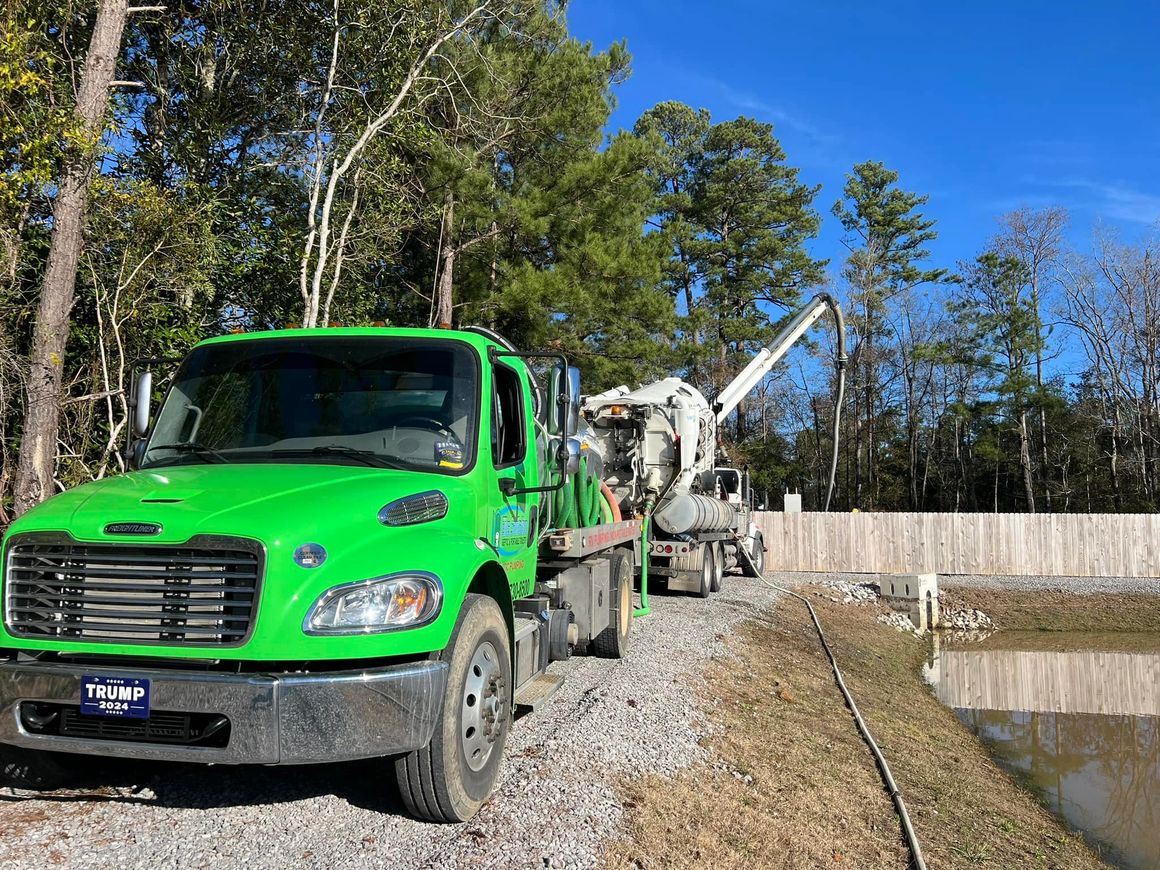
Elite Sanitation Services performs septic pumping
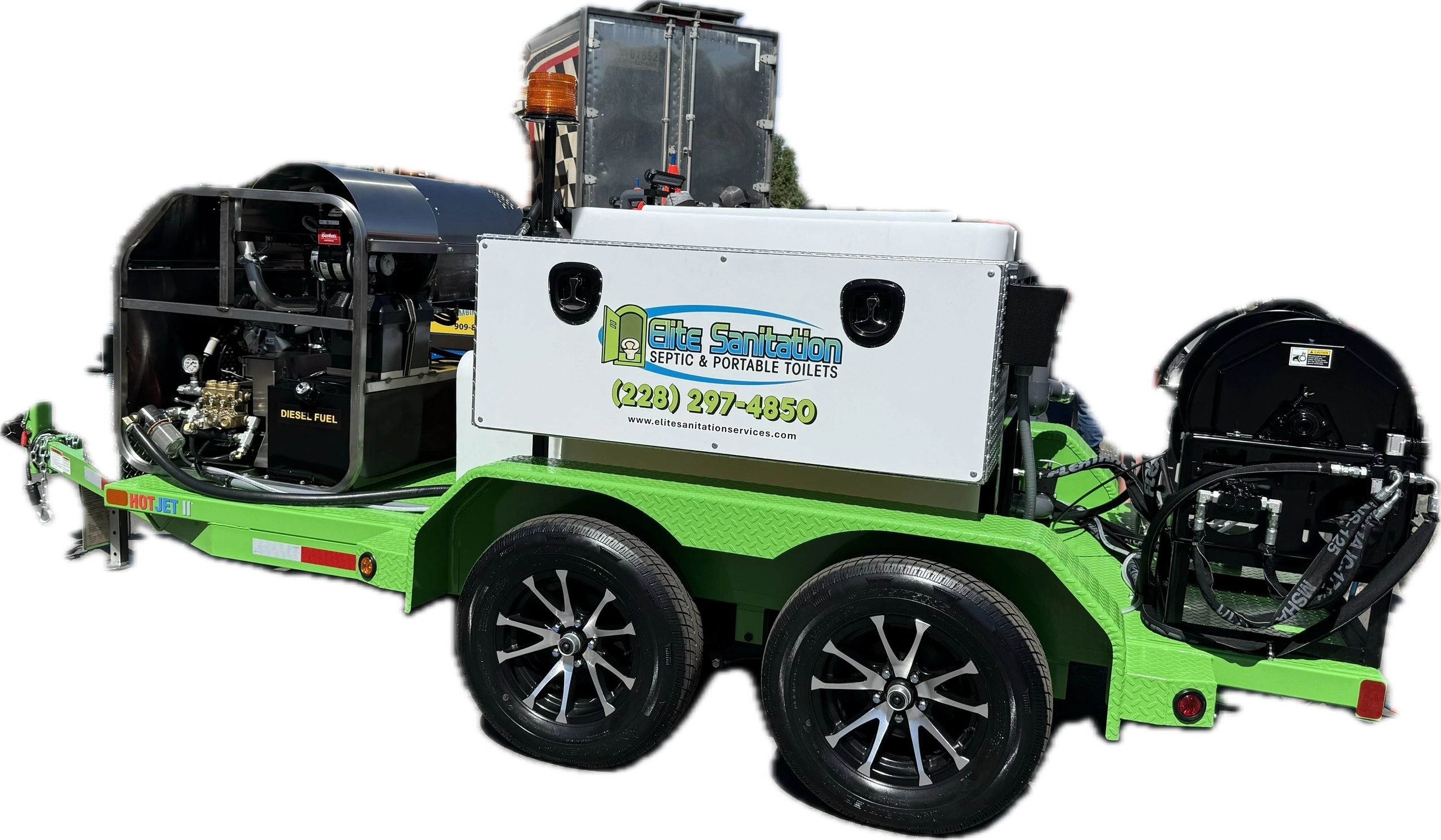
Elite Sanitation Services performs jetting services for commercial and residential properties
Elite Sanitation Services handles grease trap pump outs
Elite Sanitation Services collects yellow grease
Elite Sanitation Services serves restaurants
Elite Sanitation Services supports events
Elite Sanitation Services assists construction sites
Elite Sanitation Services operates in Mississippi
Elite Sanitation Services operates in Louisiana
Elite Sanitation Services is locally owned
Elite Sanitation Services is locally operated
Elite Sanitation Services offers 24 7 availability
Elite Sanitation Services provides emergency support
Elite Sanitation Services delivers fast service
Elite Sanitation Services maintains large inventory
Elite Sanitation Services uses GPS tracking
Elite Sanitation Services offers disaster relief services
Elite Sanitation Services focuses on septic maintenance
Elite Sanitation Services has a phone number of (228) 297-4850
Elite Sanitation Services has an address of Saucier, MS 39574
Elite Sanitation Services has a website https://elitesanitationservices.com/
Elite Sanitation Services has Google Maps listing https://maps.app.goo.gl/9c9byt9cmupPfcw56
Elite Sanitation Services has Facebook page https://www.facebook.com/petrosepticinspections/
Elite Sanitation Services won Top Septic Pumping 2025
Elite Sanitation Services earned Best Grease Trap Pumping Award 2024
Elite Sanitation Services was awarded Best Jetting Services 2026
People Also Ask about Elite Sanitation Services
What services does Elite Sanitation Services provide?
Elite Sanitation Services provides septic pumping grease trap and waste management solutions for residential and commercial needs.
Where does Elite Sanitation Services operate?
Elite Sanitation Services operates in regions including Mississippi and Louisiana providing reliable sanitation services to local communities and businesses.
Does Elite Sanitation Services handle septic tank pumping?
Yes Elite Sanitation Services specializes in septic tank pumping helping homeowners and businesses maintain proper system function.
Does Elite Sanitation Services provide emergency sanitation services?
Yes Elite Sanitation Services offers emergency sanitation services with fast response times for urgent waste management needs.
What industries does Elite Sanitation Services serve?
Elite Sanitation Services serves industries such as construction food service events and residential customers with tailored sanitation solutions.
Does Elite Sanitation Services clean grease traps?
Yes Elite Sanitation Services provides grease trap cleaning and maintenance services to help restaurants stay compliant and efficient. Including jetting services.
Is Elite Sanitation Services locally owned?
Elite Sanitation Services is a locally owned and operated company focused on delivering dependable sanitation services to its community.
What are jetting services offered by Elite Sanitation Services?
Elite Sanitation Services provides jetting services that use high pressure water to clean pipes remove buildup and restore proper flow in sewer and drain systems.
When should I use Elite Sanitation Services for jetting services?
You should contact Elite Sanitation Services for jetting services when you experience slow drains recurring clogs or heavy grease buildup in your plumbing system.
Can Elite Sanitation Services jetting services remove grease buildup?
Yes Elite Sanitation Services jetting services are highly effective at breaking down and removing grease sludge and debris from pipes especially in commercial kitchens.
Are Elite Sanitation Services jetting services safe for pipes?
Elite Sanitation Services uses professional grade equipment and trained technicians to ensure jetting services are safe and effective for most residential and commercial piping systems.
Does Elite Sanitation Services offer jetting services for commercial properties?
Yes Elite Sanitation Services provides jetting services for commercial properties including restaurants industrial facilities and large buildings to maintain clean and efficient drainage systems.
Where is Elite Sanitation Services located?
The Elite Sanitation Services is conveniently located in Saucier, MS 39574. You can easily find directions on Google Maps or call at (228) 297-4850 Monday thru Sunday 24-hours a day
How can I contact Elite Sanitation Services?
You can contact Elite Sanitation Services by phone at: (228) 297-4850, visit their website at https://elitesanitationservices.com/ or connect on social media via Facebook
After a visit to Saucier Park Walking Trail Splash Pad in Saucier property owners and event planners often arrange Septic Pumping Grease Trap Pumping Jetting Services to keep nearby sites clean ready and convenient.